How BATwireless Coaxial Cables Minimize Signal Interference and Loss
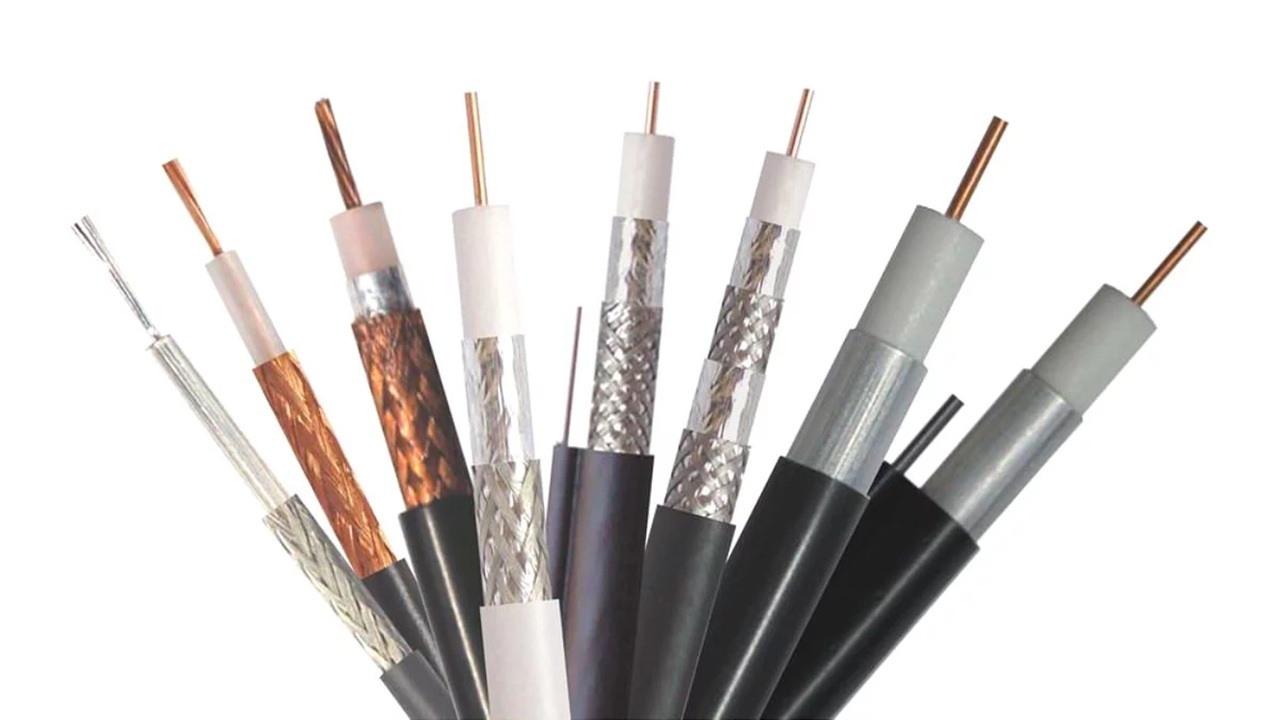
Coaxial cables are used when wireless communication is required; they are used to connect antennas, transmitters, and receivers. The effectiveness of signal transmission through these cables depends directly on the quality of the cable used, particularly for high-frequency or long-distance applications. The inadequately constructed cables have the potential to add signal loss, reflections, and noise, lowering the overall operation of systems. BATwireless specializes in coaxial cables, which preserve signal integrity, limit loss, and external noise suppression, so they can be used in the current communications systems, such as 4G, 5G, and IoT networks.
Multi-Layer Shielding
Shielding is considered to be one of the most significant properties in the reduction of interference. BATwireless coaxial cables are made of foils of metals and layers of braids in order to form a strong shield against electromagnetic interference. This shielding prevents the noise that would be undesirable in the transmitted signal. The multi-layer design also enhances the resistance to crosstalk, such that signal transmission of cables or other devices in a particular area will not influence the performance.
High-Quality Conductors
The conductor material in the coaxial cable can significantly affect signal attenuation. BATwireless employs low-resistance copper or copper-clad materials, which enable the circulation of signals with little loss. The conductors should be of high quality, particularly at high frequencies when even the slightest resistance can cause significant degradation to the signal. BATwireless guarantees the high and stable transmission of signals by the way it chooses the correct conductor materials.
Precise Dielectric
The capacitance and stability of the cable capacitance and impedance are dictated by the dielectric material, which insulates the outer shield and the inner conductor. BATwireless employs low-loss dielectric materials that minimize signal degradation over distance. These dielectrics are able to sustain a constant level of electrical characteristics in stressful environments and are used to conserve signal quality in high-frequency systems such as 5G or satellite communication.
Consistent Impedance
When the impedance varies along a cable, reflections and signal distortions occur. BATwireless ensures that the cable has accurate 50-ohm or 75-ohm impedance along the length of the cable. This uniformity reduces the standing waves and the return loss so that the signal is given out to the endpoint in the maximum ratio. Impedance consistency is also very important, especially when data transfer is high-speed.
Wide Frequency Support
Contemporary wireless communication operates across several frequency bands, ranging from standard RF to millimeter-wave frequencies. BATwireless coaxial cables have a wide bandwidth, enabling them to transmit various signals without significant attenuation. These cables are flexible and can be used for cellular networks, IoT devices, and professional RF applications due to their ability to operate over very large and very small frequencies.
Noise Suppression
Externality may distort the quality of signals and lead to a loss of data. BATwireless manufactures cables that are well shielded, and this minimizes electromagnetic interference. The foil and braid layers are combined to prevent transmissions from surrounding electronic devices, ensuring a clean transmission. This powerful noise cancellation is important in the systems installed around power lines or other high-interference areas.
Durable Construction
Signal integrity may also suffer physical damage. The BAT wireless coaxial cables feature tough outer jackets that resist abrasion, bending, and environmental damage. Mechanical protection helps prevent microcracks or structural variations that may amplify signal loss. The construction is long-lasting to give the installations a reliable performance both indoors and outdoors.
Temperature Resilience
The electrical properties of a cable can change due to temperature fluctuations. BAT wireless coaxial cables have been designed to operate over a wide temperature range. This is necessary in outdoor installations or a factory setting where extreme temperatures of hot or cold might otherwise affect the transmission of the signal.
Reliable Connectors
Connection points tend to experience signal loss. BATwireless connects coaxial cables to high-quality connectors such as SMA, TNC, or N. These connectors provide secure contact, low contact resistance, and stable impedance. Correctly matched connectors are used to preserve signal integrity end to end.
Testing and Quality Control
All BATwireless coaxial cables are rigorously tested to ensure performance. Attenuation, return loss, and shielding effectiveness are all measured to high standards. Such attention to detail would ensure cables deliver consistent performance in real-world applications and facilitate reliable wireless transmission across many industries.
Conclusion
The wireless systems may also be affected by signal interference and loss, which greatly diminishes their efficiency. The solutions to these issues in BATwireless coaxial cables include well-designed cables and high-quality materials, controlled impedance, shielding, and a robust connector. They have all the characteristics of high durability, frequency support, and rigorous testing, applicable to a vast number of applications, from consumer devices to industrial and commercial communications systems. BATwireless coaxial cables can ensure efficient, stable data transmission in any environment, reducing signal degradation and shielding against external noise.