Why the Demand for 10% Hydroxyapatite Toothpaste Is Growing Among Everyone
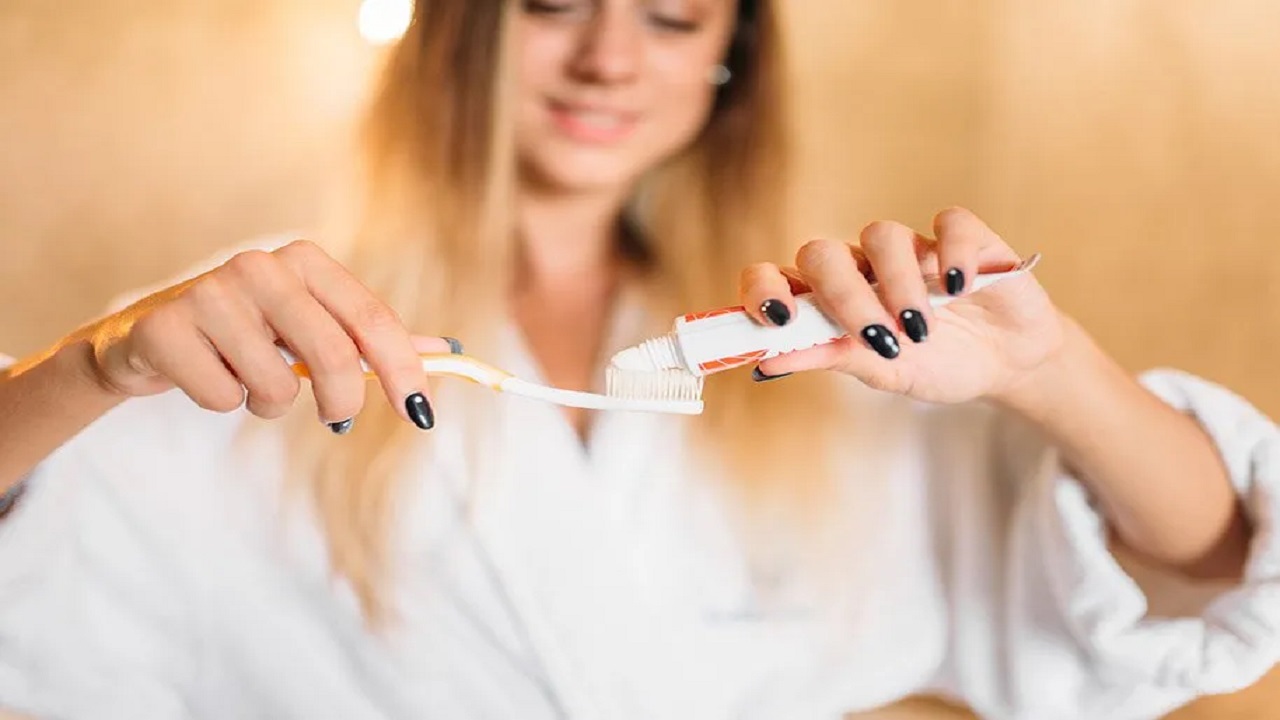
Over the past few years, there has been a significant trend towards effective, biocompatible, science-based ingredients in the oral care industry. One of these inventions has been hydroxyapatite toothpaste, especially those with a 10% concentration. As awareness of enamel health, sensitivity control, and fluoride-free oral care products increases, both dentists and consumers are moving towards a 10% hydroxyapatite toothpaste manufacturer. This increased demand is evidence of growing awareness of the potential of ingredients to promote dental health over time.
Knowledge on Hydroxyapatite
Hydroxyapatite is the major mineral constituent of the natural tooth enamel and dentin. Another difference between hydroxyapatite and conventional ingredients is that the former interacts directly with the tooth surface, unlike the latter, which affects it indirectly. In toothpaste, it is attached to enamel, sealing the cracks that appear in microscopes and repairing the mineral density. This biomimetic step enables the hydroxyapatite to heal and restore teeth in such a manner that is more or less similar to the body processes.
A 10% hydroxyapatite will be a combination of the highest strength formulation to provide more pronounced clinical effects. An increased concentration increases the remineralising effect of the ingredient, and this has been of significant interest to dental practitioners who have focused more on prevention and the least invasive treatment measures.
Addiction to 10% Hydroxyapatite Toothpaste
There is a growing trend of dentists prescribing the use of 10% hydroxyapatite toothpaste due to the fact that it is in line with the current concepts of preventive dentistry. This formulation not only strategically aims at the prevention of cavities but also actively enhances enamel repair and restoration. Clinical research also indicates that increased levels of hydroxyapatite may be used to reverse early enamel demineralization, which is a non-invasive treatment for patients who are at risk of dental disease.
Professional endorsement is also effective in lowering dentin hypersensitivity, which is the other reason why it is endorsed. The particles of hydroxyapatite block the open dentinal tubules, preventing outside stimulation that creates pain. Otherwise, to treat patients with sensitivity related to enamel erosion, whitening procedures, or gum recession, a 10 percent hydroxyapatite toothpaste will offer significant relief without being harsh on the patient.
Increasing Consumer Consciousness
The demand for 10% hydroxyapatite toothpaste depends strongly on the trends in the broader health-conscious lifestyle. The current consumer is an active researcher of ingredients and wants to have products that are mild, natural, and scientifically backed. Since the issue of the use of fluoride and its debate is ongoing in some markets, the hydroxyapatite has come out as a strong substitute that does not affect its efficacy.
The fact that the toothpaste is fluoride-free and can still be used to strengthen the enamel and prevent decay appeals greatly to families and individuals seeking a safer oral care option on a daily basis. The capacity of 10 percent hydroxyapatite toothpaste to provide visible advantages, including smoother teeth, sensitivity reduction, and natural whiteness, continues to promote consumer adoption.
Function of Natural Whitening
In addition to improving health, aesthetics are also vital factors in consumer buying. The hydroxyapatite whitens teeth through the repair and smoothing of enamel instead of agitating the surface stains as the abrasive whitening agents do. The effect is being increased with higher concentration to produce a more homogenous tooth surface that is light-reflective.
People are getting more attracted to the products that provide a natural look of gradual whitening without harming enamel. This cosmetic enhancement, coupled with enamel protection, renders 10% hydroxyapatite toothpaste an especially appealing toothpaste in the high-end oral care market.
Maintaining Market Growth
The world oral care market is developing into personalized, preventive, and high-performance products. Toothpaste finds are experiencing a move towards higher concentrations that combine several issues, like repair of enamel, prevention of sensitivity, and whitening. The fact that 10 percent hydroxyapatite toothpaste accounts for these expectations puts it at the peak of this trend.
This increase in demand presents a business opportunity to brands and manufacturers to create differentiated products that meet the recommendations of the professionals and the preferences of the consumer. Education and awareness are on the rise, and thus, the demand for high-concentration hydroxyapatite toothpaste is projected to increase gradually.
Conclusion
The rising need for 10 percent hydroxyapatite toothpaste among dentists and consumers is conditioned by its solid scientific base, established clinical advantages, and distribution in accordance with the contemporary ideas of oral care. This superior formulation delivers the best expectations of both health-aware consumers and dental professionals through the provision of effective enamel repair, sensitivity relief, and fluoride-free protection. With preventive dentistry and ingredient transparency capturing the rightful spot in the oral care sector, 10 percent hydroxyapatite toothpaste is on the way to becoming a highly successful solution in the future of dental health.